


Salvaging the Large Fowl Buff Cochin for the Future
Updated: Jul 28
The Buff Cochin: A Journey of Preservation and Revival
The Buff Cochin is a bird with a rich history and a unique charm. Made famous by Queen Victoria in the late 1800s, this breed sparked the "Cochin Craze" and helped launch the world of poultry shows. In the United States, Buff Cochins were among the first large fowl varieties admitted to the official breed standards in 1874. For over a century, they were a top contender in exhibitions, admired for their massive frame, heavy feathering, bright golden plumage, and calm temperament. There is simply no other bird quite like them.
Yet, around 2010, the Buff Cochin population in the US began to decline sharply. High-quality birds became scarce, fewer specimens appeared at shows, and established breeders dwindled. This post shares my personal journey working with Buff Cochins, the challenges faced, and the approach I’ve taken to salvage this magnificent breed.

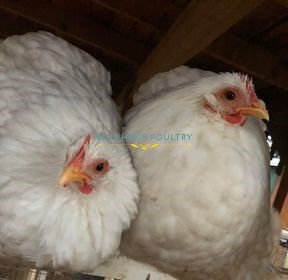
The Buff Cochin’s massive frame and golden plumage are unmistakable.
The Rise and Fall of the Buff Cochin in the US
The Buff Cochin’s story in America is one of early success followed by a slow decline. After their introduction, they quickly became a favorite among poultry enthusiasts. Their size and feathering made them stand out, and their gentle nature made them easy to handle. For 100 years, Buff Cochins were a staple at poultry exhibitions.
But by 2010, the signs of trouble were clear. The number of quality birds available from established breeders dropped sharply. The number of Buff Cochins entered at shows dwindled. The reasons for this collapse are complex:
Scarcity of genetics: The gene pool shrank as fewer breeders maintained pure lines.
Inbreeding depression: Breeding within a limited gene pool led to weaker birds.
Loss of established breeders: Many who had kept the breed for decades stopped or passed away.
Genetic weakness: The dilution factors themselves are linked to genetic weakness which was exacerbated by inbreeding.
Despite these challenges, interest in Buff Cochins never disappeared. Enthusiasts continued to seek out quality birds, but the supply has been sharply limited.
My Experience with the Art Manly Line
I began working with Buff Cochins many years ago, starting with the Art Manly line from California. These birds were known for their massive, rustic frame and strong exhibition qualities. After Art Manly passed away in the 1980s, the number of breeding birds from this line gradually shrank. Suitable birds for outcrossing were almost nonexistent. It should be noted that when the Shanghai fowl arrived in the US, there were multiple varieties in the same Wheaten-based family, including Wheaten, Silver Wheaten, Red, Lemon, Cinnamon, and Silver Cinnamon. The American Poultry Association at the time chose not to admit any of the other colors in the Buff color family, which led to their ultimate demise and set the Buff Cochin up for future failure due to lack of outcross genetics.
Over time, I noticed troubling signs of inbreeding depression:
Birds developed more refined, less robust bone structure.
Muscle mass decreased.
Overall vigor and fertility dropped.
Females became smaller.
Males only became fertile late in the season, when females were ready to stop laying and go broody.
By the time I started my salvage project about five years ago, fertility rates had dropped to zero despite heavy laying by females. I tried rotating three different Buff Cochin males through the females with no success. It was clear something drastic had to be done or the line would be lost.
The National Buff Cochin Population Implosion
Around the same time, the Buff Cochin population across the US seemed to implode. It was as if a genetic clock had run out after 100 years. No breed clubs or poultry associations raised the alarm, and they seemed unaware of the crisis.
For those of us watching poultry shows and online forums, the decline was obvious. People looking for quality large fowl Buff Cochins often found none available. Frustration grew, and some accused the few remaining breeders of "gatekeeping." In reality, these breeders were the last line of defense for the breed.
With so few birds left, most of us had to resort to some form of outcrossing to keep the breed alive.
Common Outcross Approaches and Their Challenges
I’ve seen several common strategies to preserve the Buff Cochin:
Outcross to large fowl Black Cochins: These share the Cochin type but differ in color.
Outcross to hatchery large fowl Buff Cochins: These birds are more available but often lack the exhibition quality.
Outcross to bantam Buff Cochins: Smaller birds with similar color but different size and structure.
Outcross to Buff Orpingtons: Similar color and size but different breed characteristics.
Each approach has logic behind it, whether for color compatibility, production traits, or breed qualities. But each also has a fatal flaw: they take the Buff Cochin so far afield from the original bird that by the time breeders get back to the proper type and color, the problems of inbreeding depression return. The cycle repeats.

The Buff Cochin’s dense underfluff and bright golden feathers are key breed traits.
A Different Approach to Salvage
My approach has been to revitalize the bloodline using excellent large fowl Cochins from my color program line. These birds share similar color genetics and already come with excellent Cochin traits of size, mass, and temperament. This allows me to rebuild a vigorous, sturdy bird that is massive, well-feathered, and productive.
This method also helps improve some stubborn traits, such as the "pointed tail," where the main tail feathers do not spread properly. At the same time, I maintain the good features like the short wing and abundant underfluff.
I started this project about five years ago and expect it to take 7 to 10 years to complete. My goal is clear: to restore the magnificent bird of stature and feather that made the Buff Cochin famous during the Victorian era and kept it at the top of poultry exhibitions for over 100 years.
Supporting Your Buff Cochin Project
For breeders working on Buff Cochin salvage or improvement, having the right supplies and genetics is crucial. For example, sourcing quality breeding stock from trusted providers can make a big difference.
One resource I recommend is Blue Hour Poultry, which offers top-tier heritage poultry and expert guidance. Their focus on exceptional genetics helps breeders elevate their flocks and succeed in exhibitions. You can explore their offerings here: Blue Hour Poultry.
The Importance of Community in Poultry Breeding
Building a community around Buff Cochins can significantly enhance our efforts. Sharing knowledge, experiences, and resources can lead to better breeding practices. Online forums and local poultry clubs can be invaluable for connecting with other breeders who share the same passion.
By collaborating and exchanging ideas, we can tackle the challenges that face the Buff Cochin breed. Whether it’s discussing breeding techniques or sharing success stories, community support is essential.
Final Thoughts on Preserving the Buff Cochin
The Buff Cochin is a breed worth saving. Its unique combination of size, feathering, color, and temperament makes it irreplaceable. The challenges of inbreeding depression and genetic scarcity are real, but with careful breeding and patience, the breed can be restored.
My experience shows that outcrossing within the Wheaten-based Cochin family, rather than crossing to other breeds or unrelated colors, offers the best chance to rebuild a strong, true Buff Cochin. It takes time, dedication, and a clear vision of what success looks like.
If you are passionate about this breed, I encourage you to join the effort. Together, we can keep the Buff Cochin’s legacy alive for future generations to admire and enjoy.

The Buff Cochin’s calm temperament makes it a joy to keep and show.
Salvaging the large fowl Buff Cochin is a long journey, but the reward is a magnificent bird that honors its history and shines in the future. Keep faith in the process, and watch these golden giants return to their rightful place.


Comments